
Unsafe Hamster Products I'd Never Buy And What to Choose Instead

Updated: Aug 10
Walking into a pet shop can be overwhelming, especially for first-time hamster owners. Many products are brightly coloured, heavily advertised, and marketed specifically for hamsters—but unfortunately, not everything sold for small pets is actually safe or suitable.
As our understanding of hamster welfare has improved, experts and experienced owners have highlighted several products that can negatively affect a hamster's health, behaviour, and overall wellbeing. Choosing appropriate equipment helps your hamster express natural behaviours such as burrowing, foraging, and exploring while reducing stress and the risk of injury.

Here are some hamster products that I personally would avoid, and why.
1. Small Plastic Pet Shop Cages
One of the most common mistakes new owners make is purchasing the colourful plastic cages sold in many pet shops.
These enclosures are often far below the recommended minimum floor space of 100 cm x 50 cm, giving hamsters very little room to exercise or display natural behaviours.
Many of these cages also lack sufficient depth for bedding. Hamsters need at least 8–10 inches (20–25 cm) of bedding to create stable burrows, which are an essential part of their natural behaviour. Shallow cages prevent this and can lead to boredom, stress, and frustration.
Better alternatives
Consider:
Large glass tanks or aquariums with proper ventilation
DIY bin cages that meet minimum size requirements
Spacious wooden or glass enclosures designed specifically for ethical hamster care
2. Plastic Tube Systems and Tunnels
Plastic tunnel systems may look fun, but they can pose significant risks.
Some hamsters, particularly larger Syrian hamsters, can become stuck inside narrow tubes. Poor ventilation within enclosed tunnels can also create uncomfortable conditions, especially during warmer weather.
While tunnels themselves are an important form of enrichment, they should be wide enough and made from safe materials.
Better alternatives
Safer options include:
Cork logs
Large cardboard tubes
Seagrass tunnels
Natural wooden tunnels with appropriate diameters
3. Scented Bedding, Cedar, Pine, and Certain Wood Shavings
The type of bedding you choose is extremely important for your hamster's health.
Scented bedding products contain artificial fragrances that may irritate a hamster's sensitive respiratory system. Cedar and untreated pine bedding contain aromatic oils and chemicals that have long been associated with respiratory problems and other health concerns.
Some bedding materials also fail to hold burrows properly. If tunnels collapse, your hamster could become trapped or injured while digging.
Better alternatives
Safe bedding choices include:
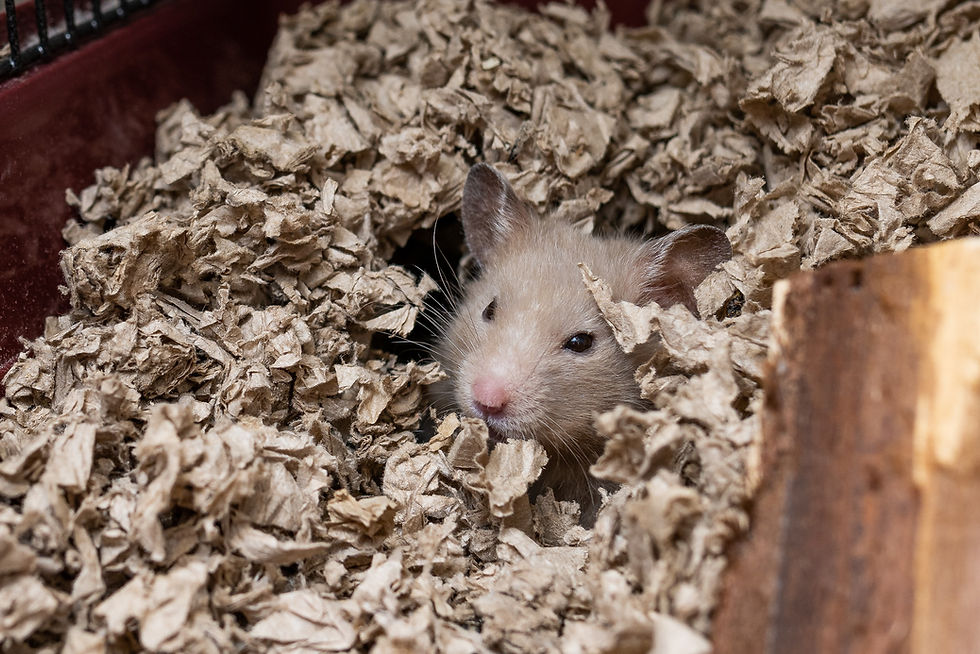
Unscented paper-based bedding
Aspen shavings
Hemp bedding
High-quality substrates that support stable burrowing
4. Nesting Material
Fluffy nesting materials are often marketed as cosy additions to a hamster's home, but many welfare organisations advise against using them.
The fibres can wrap around tiny legs and toes, restricting blood flow and causing serious injuries. If ingested, they may also create digestive blockages or present a choking hazard.
Better alternatives
Instead, provide:
Unscented toilet paper
Plain paper tissues
Soft, shredded paper bedding
These materials allow hamsters to build nests safely without the associated risks.
5. Hamster Swings
Swings are designed around the idea that hamsters enjoy climbing like some other small animals, but this isn't true.
Hamsters are primarily ground-dwelling creatures with relatively poor eyesight. They are not natural climbers, and falls from height can result in injuries.
Any enrichment item that encourages unnecessary climbing should be carefully considered.
Better alternatives
Focus on natural enrichment, including:
Dig boxes
Foraging opportunities
Underground tunnels
Multi-textured substrates
Safe hides and shelters
6. Softwood Hides With Exposed Nails or Toxic Materials
Not all wooden accessories are created equal.
Some inexpensive products are made from unsafe softwoods or include exposed nails and staples that could injure a curious hamster. Certain woods also contain chemicals that may be harmful if chewed.
Better alternatives
Choose:
Cork products
Untreated, hamster-safe hardwoods
Quality hides specifically designed for small mammals
Products from reputable welfare-focused brands
7. Edible Hides
Edible hides are often marketed as a fun treat and shelter combined, but they are generally not necessary and may upset a hamster's digestive system if consumed in large amounts.
Hamsters need a balanced diet, and consuming large quantities of processed edible materials isn't ideal for their health.
Better alternatives
Natural cork hides, wooden houses, and ceramic shelters provide safer and more durable options.
8. Wire or Barred Wheels
Exercise wheels are essential, but not every wheel is safe.
Wheels with bars, gaps, or mesh surfaces can trap tiny feet and legs, leading to painful injuries or even fractures.
Better alternatives
Always choose a solid-surface wheel that is appropriately sized:
Dwarf hamsters generally require at least an 8-inch wheel.
Syrian hamsters often need wheels of 11–12 inches or larger.
Your hamster should be able to run with a straight back rather than a curved spine.
9. Saucer and Flying-Saucer Wheels
Flying-saucer wheels are extremely popular, but they can force a hamster into unnatural running positions.
The curved running surface may cause the spine to twist, and hamsters can easily be thrown from the wheel while running at high speeds, increasing the risk of injury.
Traditional upright wheels with solid surfaces are generally a safer option when correctly sized.
10. Hamster Balls
Hamster balls remain one of the most controversial products in hamster care.
Many animal welfare advocates recommend avoiding them because they can:
Trap toes and feet in ventilation holes
Prevent hamsters from exploring using their natural senses
Cause stress and disorientation
Remove the hamster's ability to choose where to go or hide when frightened
Hamsters rely heavily on smell and touch to understand their surroundings, and enclosed plastic balls significantly restrict these natural behaviours.
Better alternatives
Instead, provide:
A secure playpen
Supervised free-roam sessions in a hamster-safe area
Enrichment activities within their enclosure
11. Hamster Harnesses and Leashes
Hamsters should never be walked on harnesses or leashes.
Unlike dogs, hamsters are prey animals that can become extremely stressed by restraint. Attempting to place a harness on a hamster may cause fear, injury, or significant distress.
Chronic stress can negatively affect a hamster's health and wellbeing.
The best way to bond with your hamster is through patience, gentle handling, and allowing them to approach you on their own terms.
Building a Hamster-Friendly Home
The pet industry still sells many products that do not align with modern hamster welfare recommendations. As owners, it's important to research carefully and prioritise products that support natural behaviours rather than simply looking attractive on shop shelves.
A suitable hamster setup should provide:
At least 100 cm x 50 cm of uninterrupted floor space
Deep bedding for burrowing
A correctly sized solid wheel
Multiple hides and tunnels
Foraging opportunities
Safe, unscented substrates
Enrichment that encourages natural behaviours
By choosing welfare-friendly products, you can create an environment where your hamster can thrive rather than simply survive.
Key Takeaways
Many products marketed for hamsters—including small cages, hamster balls, scented bedding, and barred wheels—can pose risks to their health and wellbeing. Understanding a hamster's natural behaviours and needs allows owners to make informed choices that support a longer, happier, and healthier life.
Your hamster depends on you to create a safe environment, and sometimes the best purchases are the ones you decide not to make.
Visit our Amazon Store for a wide selection of products and great value essentials for your pets!

Related Content
Disclaimer
All content provided on this website, including blog posts, guides, social media content, and recommendations, is created for informational and educational purposes only and should not be considered veterinary, medical, or professional pet care advice. Always consult a qualified veterinarian or animal care professional before making decisions regarding your pet’s health, diet, or wellbeing. See Full T&C's here.

Comments