
Indoor vs Outdoor Rabbits: Which Is Better?

Updated: Aug 11
One of the most debated topics in rabbit care is whether rabbits should live indoors or outdoors. Traditionally, rabbits were kept in outdoor hutches, but modern welfare understanding has shifted significantly toward more enriched, social, and interactive living environments.
The truth is that both indoor and outdoor setups can work, but they are not equal in terms of welfare, safety, and day-to-day interaction.
This guide breaks down the pros and cons of each so you can make an informed, welfare-focused decision for your rabbits.
Contents
Do Rabbits Belong Indoors or Outdoors?
Indoor Rabbit Setups
Outdoor Rabbit Setups
Safety Comparison
Space and Enrichment Needs
Bonding and Interaction Differences
Health Considerations
Which Setup Is Better?
Frequently Asked Questions
Do Rabbits Belong Indoors or Outdoors?
Rabbits are domesticated animals that adapt to both indoor and outdoor environments. However, their welfare depends far more on space, safety, companionship, and enrichment than location alone.
In the wild, rabbits live in complex underground burrow systems with constant social interaction. Any domestic setup—indoors or outdoors—should aim to replicate these core needs as closely as possible.
Indoor Rabbit Setups
Indoor rabbits typically live inside the home with access to a dedicated rabbit-safe area or free-roam space.
Advantages of indoor rabbits
1. More social interaction
Indoor rabbits tend to spend more time around people, which can help build stronger bonds.
2. Better monitoring
Health issues are often spotted earlier because rabbits are seen more frequently.
3. Stable environment
No exposure to:
Extreme cold
Heatwaves
Rain or wind
Sudden weather changes
4. Easier enrichment
Indoor environments make it easier to:
Rotate toys
Create dig areas
Set up tunnels and obstacle courses
Supervise free-roam time
Challenges of indoor rabbits
Rabbits may chew furniture or wires if not properly rabbit-proofed
Requires dedicated space inside the home
Litter training and setup takes planning
Outdoor Rabbit Setups
Outdoor rabbits are typically housed in hutches with attached runs in a garden environment.
Advantages of outdoor rabbits
1. More space potential
Outdoor setups can sometimes offer larger continuous runs.
2. Natural environment
Rabbits may experience:
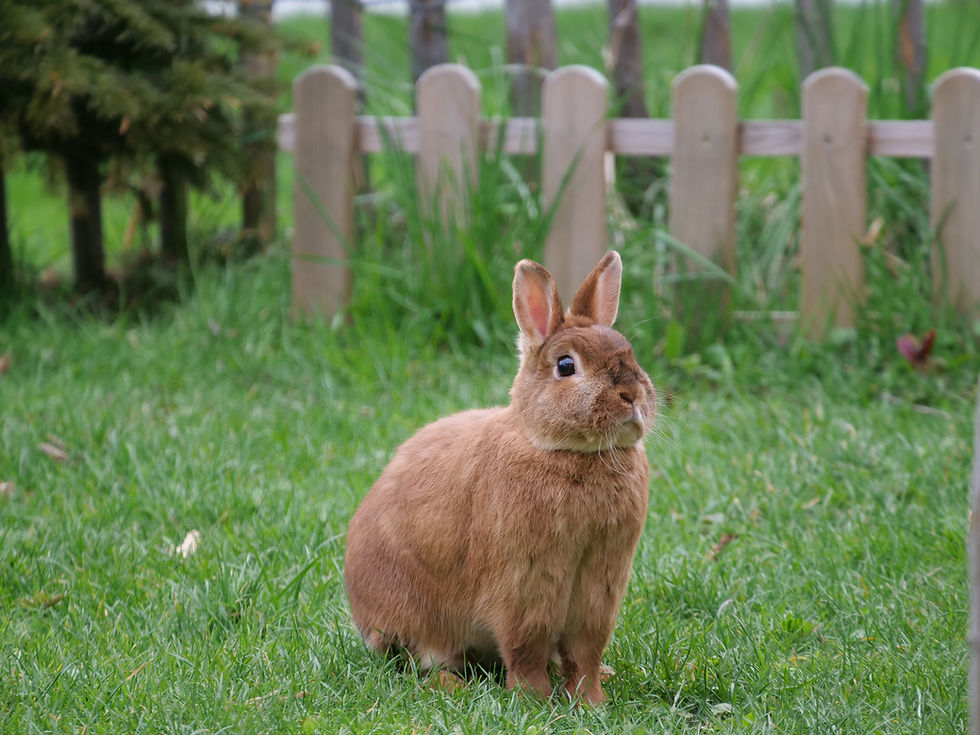
Grass grazing
Natural light cycles
Fresh air and outdoor stimuli
Challenges of outdoor rabbits
1. Predator risk
Foxes and other predators are a serious risk without secure housing.
2. Weather exposure
Rabbits are sensitive to:
Heat (overheating is dangerous)
Cold snaps
Damp conditions
3. Less interaction
Outdoor rabbits often receive less day-to-day human interaction, which can impact bonding.
4. Health monitoring is harder
Subtle changes in behaviour may go unnoticed longer.
Safety Comparison
Factor | Indoor | Outdoor |
Predator protection | High | Moderate–low (depends on setup) |
Weather protection | High | Variable |
Daily monitoring | Easy | Harder |
Escape risk | Moderate | Moderate |
Human interaction | High | Lower |
Space and Enrichment Needs
Regardless of location, rabbits need large, continuous space.
Minimum ethical guidance generally includes:
Large pen or free-roam space
Room to run, stretch and hop
Multiple hiding places
Separate feeding, toilet and rest areas
Daily enrichment rotation
Poor space is a welfare issue in both indoor and outdoor setups.
Bonding and Interaction Differences
Indoor rabbits often:
Become more confident around humans
Show more curiosity
Engage in more daily interaction
Outdoor rabbits may:
Be more independent
Have less frequent human contact
Require more intentional handling time
However, personality varies significantly between individual rabbits, regardless of housing.
Health Considerations
Indoor rabbits
Pros:
Easier to notice illness early
Lower risk of parasites
Stable temperature reduces stress
Cons:
Need careful rabbit-proofing to prevent injury
Outdoor rabbits
Pros:
Access to natural grazing (if managed safely)
Exposure to fresh air and natural light
Cons:
Higher risk of flystrike
Temperature stress
Greater difficulty spotting illness early
Which Setup Is Better?
From a welfare perspective, indoor rabbit setups are generally considered better because they allow:
Closer human interaction
Faster illness detection
Better environmental control
More consistent enrichment opportunities
However, outdoor setups can still be appropriate if they are:
Extremely secure
Weather-protected
Spacious with large attached runs
Regularly monitored
The key factor is not indoor vs outdoor alone—it is the quality of the setup.
A poorly designed indoor setup is worse than a well-designed outdoor one, and vice versa.
Frequently Asked Questions
Can rabbits live indoors full-time?
Yes. Many rabbits thrive indoors with proper rabbit-proofing and space.
Are outdoor rabbits less happy?
Not necessarily. Happiness depends on space, enrichment, companionship and care—not location alone.
Do indoor rabbits need litter training?
Yes. Litter training helps keep indoor setups clean and manageable.
Is it cruel to keep rabbits outside?
Not if the setup is safe, spacious and well-maintained. However, welfare risks are generally higher outdoors.
Can rabbits move between indoor and outdoor setups?
Yes, but transitions must be gradual to avoid stress and temperature shock.
Final Thoughts
There is no one-size-fits-all answer to whether rabbits should be kept indoors or outdoors. Both setups can work, but they offer very different levels of control, interaction and safety.
Indoor rabbits generally benefit from closer monitoring and stronger human bonds, while outdoor rabbits can thrive in large, naturalistic environments if properly protected.
At Bellamy Pet Wellness, we believe the most important factor is not where rabbits live, but how well their environment meets their physical, emotional, and social needs.
A truly ethical setup—indoors or outdoors—always prioritises space, companionship, enrichment and safety above tradition or convenience.
Visit our Amazon Storefront for a wide selection of rabbit products and great value essentials for your pets!
Related Content
Disclaimer
All content provided on this website, including blog posts, guides, social media content, and recommendations, is created for informational and educational purposes only and should not be considered veterinary, medical, or professional pet care advice. Always consult a qualified veterinarian or animal care professional before making decisions regarding your pet’s health, diet, or wellbeing. See Full T&C's here.


Comments