top of page
Pet care tips and advice for your furry (or scaly) friends • Ethical pet care tips and product recommendations •


Essential Rabbit Care for Beginners
We are here to help you understand the essentials of Rabbit care in a clear and easy way. Whether you’re new to Rabbit ownership or just want to improve your care, you’ll find everything broken down into simple guides.
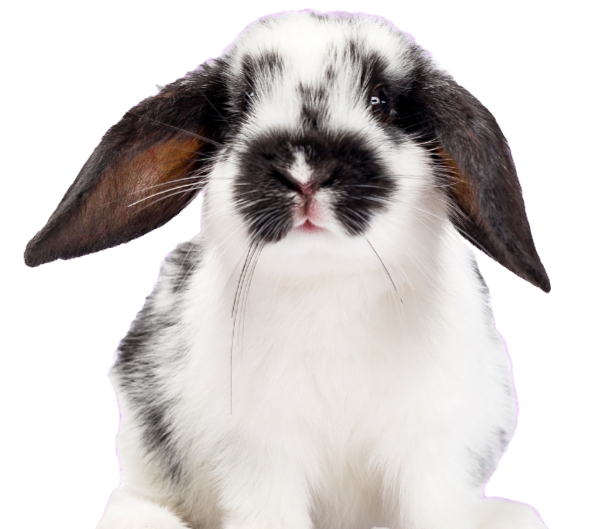
Rabbits are intelligent, social animals that require far more care, space, and enrichment than many people realise. They are highly active pets with complex physical and behavioural needs, and responsible ownership means providing an environment that allows them to run, dig, forage, explore, and interact with companions.
Whether you're considering adopting your first rabbits or improving your current setup, this page introduces the fundamentals of rabbit care and links to more detailed guides covering housing, enrichment, nutrition, grooming, and health.
Rabbit Facts
Scientific name: Oryctolagus cuniculus
Average lifespan: 8–12 years
Diet: Herbivorous
Activity pattern: Crepuscular (most active at dawn and dusk)
Natural habitat: Burrow systems called warrens
Domestic rabbits are descended from the European wild rabbit and retain many of their natural instincts. They are prey animals that rely on social bonds, secure environments, and opportunities to express natural behaviours such as digging, hopping, chewing, and foraging.
Popular Rabbit Breeds
There are many rabbit breeds, each with different sizes, appearances, and care requirements. Some popular breeds include:
-
Mini Lop
-
Netherland Dwarf
-
Lionhead
-
Dutch Rabbit
-
English Lop
-
Flemish Giant
-
Rex Rabbit
-
Mini Rex
Regardless of breed, all rabbits require plenty of space, daily enrichment, and appropriate companionship to maintain good welfare.
Rabbits Lifespan and Life Stages
A rabbit's lifespan depends on genetics, diet, healthcare, and the quality of care it receives. Many well-cared-for rabbits live between 8 and 12 years.
Rabbits progress through several life stages:
-
Kit (0–6 months): Rapid growth and development, requiring proper nutrition and socialisation.
-
Adult (6 months–5 years): Active years with consistent exercise, enrichment, and preventative healthcare.
-
Senior (5+ years): Older rabbits may need dietary adjustments and additional veterinary support to maintain their wellbeing.
Providing a healthy diet, regular exercise, and routine veterinary care can help rabbits live longer, happier lives.
Are Rabbits Right for You?
Rabbits are rewarding companions, but they are a significant long-term commitment and are not low-maintenance pets.
Prospective owners should consider:
-
The costs of housing, food, veterinary care, and enrichment.
-
The need for large, permanent living spaces rather than small hutches.
-
Daily opportunities for exercise and exploration.
-
Their social nature, meaning rabbits should generally be kept in compatible pairs or groups.
-
Long-term responsibilities that may last a decade or more.
Responsible ownership means understanding and meeting a rabbit's physical, social, and emotional needs throughout its lifetime.
Essential Areas of Rabbit Care
Excellent rabbit welfare depends on several key aspects of care. Explore our detailed guides to learn more about:
-
Setup: Creating spacious, secure environments that encourage natural behaviours.
-
Enrichment: Providing opportunities for digging, foraging, chewing, and exploration.
-
Food and Diet: Understanding the importance of hay, fresh greens, and balanced nutrition.
-
Grooming and Cleaning: Maintaining coat health, hygiene, and appropriate enclosure cleaning routines.
-
Health: Preventative care, vaccinations, common illnesses, and recognising signs of discomfort or disease.
Frequently Asked Questions
How long do rabbits live?
Most domestic rabbits live between 8 and 12 years when provided with proper care, nutrition, and veterinary support.
Should rabbits live alone?
No. Rabbits are highly social animals and should usually be kept in bonded pairs or compatible groups to support their emotional wellbeing.
What should rabbits eat?
A rabbit's diet should consist primarily of high-quality hay, which should make up around 85–90% of their food intake, alongside fresh leafy greens and a limited amount of pellets.
Do rabbits need lots of space?
Yes. Rabbits require large living areas that allow them to hop, run, stand upright, and express natural behaviours. Small hutches alone do not provide adequate welfare.
Are rabbits good pets for children?
Rabbits can make wonderful family pets, but they are delicate prey animals that require gentle handling and adult supervision. An adult should always take primary responsibility for their care.
What You'll Find Here
Everything you need to know about caring for rabbits properly — from setup to health.


bottom of page