Pet care tips and advice for your furry (or scaly) friends • Ethical pet care tips and product recommendations •

Hamster Enclosure
everything you need for a
Enclosure Checklist

Here you will find everything you need to know about making the perfect enclosure for your hamster!
Use the links on the Checklist or keep scrolling to find out more about each item and some product reccomendations!
The Cage
The first thing you will need is a cage. The minimum hamster enclosure size is 100cm x 50cm x 50cm. Ideally, a tank enclosure is the best style as it allows for bedding to be 8-10 inches deep whilst also avoiding monkey barring which could injure a hamster. Although 100cm is the minimum, many owners end up upgrading to a larger size as they find their hamster requires more room. Its reccomended for female syrian hamsters in particular to have a cage larger than that as they are more prone to exploring and boredom!
Below are some appropriate enclosures for a hamster.


The Bedding
Next you will need bedding. Bedding must be a minimum of 8-10 inches deep as hamsters are natural burrowers and this is what most will spend the majority of their time doing.
Some safe bedding types include:
-
Unscented paper
-
Aspen
-
Hemp
-
Spruce (chipsi)
Some beddings to avoid would be:
-
Pine and Cedar shavings - contain harmful chemicals
-
Fluffy bedding (like cotton wool) - can cause choking and blockages
-
Sawdust - can cause respiratory issues
-
Scented bedding - can cause respiratory issues
Below are some appropriate beddings for a hamster.


The Hides
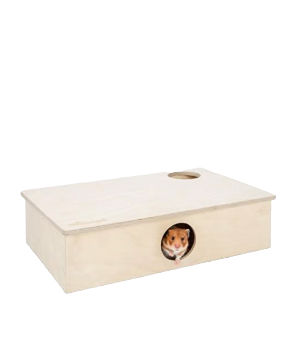
Hamsters need at least these two types of hides: wooden and ceramic. Ceramic ones are especially important when it gets hot as they can cool your hamster down.
There are different types of wooden hides, like multichambers, single chambers, closed bottom,open bottom etc, some hamster like closed bottom hides as somewhere to sleep whilst others may want to build their burrow underneath.
Its also important to make sure the openings and sizes of the hides are large enough for your hamster.
For dwarf hamsters: the opening must be at least 5cm wide
For Syrian hamsters: the opening must be at least 7cm wide.
Below are some appropriate hides for a hamster.


Food and water
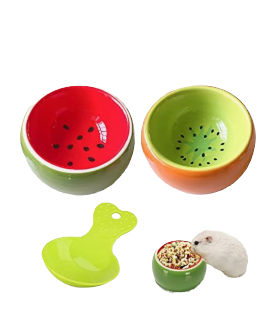
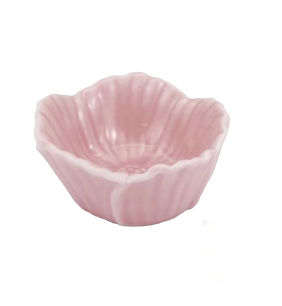
I reccomend having a bowl for your hamsters food and bowl AND bottle for their water. Although scatter feeding is a great way to encorage foraging, its always good to have a bit of their food in a bowl so they know they have a spot to go to when they need some food. Having two water supplies allows your hamster to choose what they prefer and reduces the risk of water running out incase soemthing happens to one of the supplies.
Click here to find out more about hamster diet and feeding:
Here are some reccomeneded products for feeding and watering your hamster:


Enrichment and Clutter
Mental stimulation is vital for hamster welfare. Enrichment encourages natural beh aviours such as foraging, digging, climbing, chewing, and exploring, helping to prevent boredom and improve overall wellbeing.
For more information and product recomendations for hamster enrichment click here:
Some important enrichment items you must have include:
-
An appropraite sized wheel ( Wheels for syrians should be 30cm and for dwarfs 20cm)
-
x3 substrates
-
Chews/toys
-
tunnels and branches
-
Sprays
-
Forage
Sand Bath
Many hamster species enjoy rolling in sand to keep their fur clean and healthy. Providing a large sand bath with safe, dust-free sand allows them to perform this natural behaviour while also offering additional enrichment. Sands to avoid would be chinchilla sand as it can cause respiratory issues.
Some safe sands are listed below:


Platforms
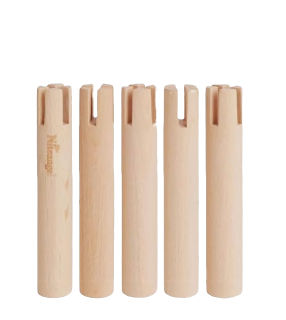
It is very important that platforms go under heavy items as this will stop them from falling and crushing your hamster when they burrow. For example items like ceramic hides or sand baths should be placed on a platform.
Some reccomended platfortms can be found below: