
How to Set Up a Natural Hamster Enclosure (Bioactive Style Explained)

Updated: Aug 10
Over the last few years, naturalistic hamster enclosures have become increasingly popular—and for good reason. Rather than focusing on colourful plastic accessories and novelty toys, these setups aim to recreate an environment that encourages hamsters to behave as naturally as possible.
A natural enclosure isn't just about looking attractive. It provides opportunities to burrow, forage, dig, climb over natural obstacles and explore a more varied environment, all of which can improve your hamster's welfare.
You may also have heard the term bioactive enclosure. While fully bioactive setups are common for reptiles, they are less straightforward for hamsters. In this guide, we'll explain what bioactive means, whether it's suitable for hamsters, and how to create a safe, natural enclosure that supports your hamster's wellbeing.

Contents
What Is a Natural Hamster Enclosure?
What Does "Bioactive" Mean?
Is a Fully Bioactive Setup Suitable for Hamsters?
The Essentials of a Natural Setup
Choosing Safe Natural Materials
Enrichment Ideas
Common Mistakes to Avoid
Frequently Asked Questions
What Is a Natural Hamster Enclosure?
A natural enclosure is designed to encourage species-appropriate behaviours rather than simply providing the basic essentials.
Instead of filling the enclosure with brightly coloured plastic items, a natural setup often includes:
Deep bedding for burrowing
Cork logs
Wooden tunnels
Branches
Safe sprays
Moss (where appropriate)
Rocks and slate
Natural hides
Multiple textures and substrates
The goal is to create an environment that is stimulating, varied and functional.
What Does "Bioactive" Mean?
A bioactive enclosure is a self-sustaining ecosystem that contains:
Living plants
Beneficial microorganisms
Clean-up organisms (such as certain invertebrates)
Natural soil layers that help break down waste
These setups are widely used for reptiles and amphibians because they help maintain a more natural environment.
However, hamsters have different needs, particularly their requirement for very deep, stable bedding that supports burrowing.
Is a Fully Bioactive Setup Suitable for Hamsters?
For most pet owners, a fully bioactive hamster enclosure is not recommended.
There are several reasons for this:
Hamsters produce large amounts of bedding waste through burrowing.
Deep paper-based bedding is usually more suitable than soil for stable tunnel systems.
Maintaining live plants can be difficult because hamsters often dig them up or chew them.
Clean-up crews may struggle to cope with the volume of waste hidden in burrows.
High moisture levels needed for some bioactive systems are not appropriate for hamsters.
Instead, many experienced owners create bioactive-inspired or naturalistic enclosures that focus on enrichment without trying to create a fully self-sustaining ecosystem.
The Essentials of a Natural Setup
1. A Spacious Enclosure
Every natural setup starts with a suitably sized enclosure.
A minimum ethical floor space of 100 × 50 cm is recommended, although larger is always better.
More space allows for:
Deeper bedding
Larger enrichment items
More varied layouts
Multiple activity zones
2. Deep Bedding
Burrowing is one of the most important natural behaviours.
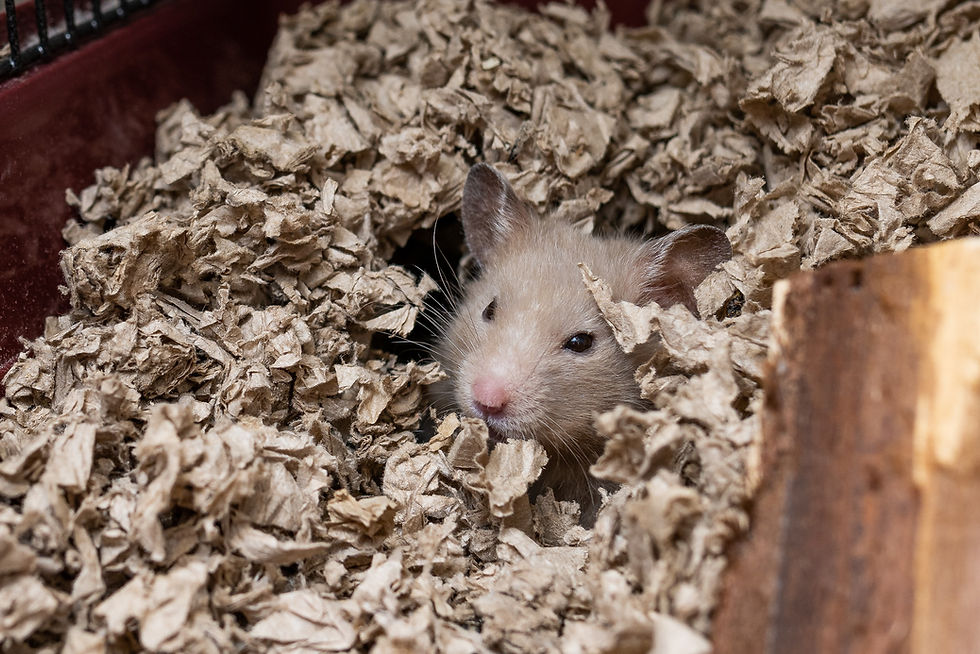
Provide at least 25–30 cm (10–12 inches) of compacted bedding across a large portion of the enclosure, with even deeper areas where possible.
Suitable bedding includes:
Unscented paper-based bedding
Aspen bedding (mixed with paper bedding if desired)
Hay mixed into bedding for additional tunnel support
Avoid scented or dusty bedding.
3. Multiple Substrates
Wild hamsters experience different ground textures.
You can recreate this safely using:
Cork granules
Coco fibre (kept dry)
Cork bark pieces
Beech chips (species-appropriate and dust-free)
Dig boxes filled with hamster-safe sand
Different textures provide valuable sensory enrichment.
4. Natural Hides
Replace plastic houses with more natural alternatives where possible.
Good options include:
Cork logs
Wooden multi-chamber hides
Coconut hides (for dwarf species if appropriately sized)
Untreated wooden houses
Hamsters feel more secure when they have several places to hide.
5. Safe Branches and Clutter
Hamsters naturally navigate around obstacles rather than living in open spaces.
Add clutter such as:
Apple wood branches
Cork branches
Grapevine wood (cleaned and pet-safe)
Wooden bridges
Tunnels
A cluttered enclosure often helps hamsters feel safer than one with large open areas.
Choosing Safe Natural Materials
When collecting or buying natural materials, always make sure they are safe for small animals.
Choose:
Pet-safe cork
Untreated hardwood
Dried hamster-safe sprays
Kiln-dried woods
Heat-treated natural decorations
Avoid:
Treated wood
Sharp rocks
Toxic plants
Mouldy branches
Pine cones collected outdoors unless properly cleaned and prepared
When in doubt, purchase products specifically designed for small animals.
Adding Natural Enrichment
Natural enrichment encourages your hamster to forage and explore.
Ideas include:
Scatter feeding instead of bowls
Seed sprays
Dried flower mixes
Leaf litter from pet-safe sources
Hay piles
Dig boxes
Hidden treats
Safe herbs
Changing enrichment regularly keeps the enclosure interesting without causing unnecessary stress.
Can You Use Live Plants?
Live plants are one of the biggest differences between natural and fully bioactive setups.
Most live plants are not practical for hamster enclosures because they:
May be eaten
Can introduce excess moisture
Often get dug up quickly
May not be safe if ingested
If you choose to include plants, ensure they are non-toxic and be prepared to replace them if your hamster damages them.
For most owners, dried plants and safe natural decorations are a simpler option.
Common Mistakes to Avoid
When creating a natural enclosure, avoid:
Prioritising appearance over welfare
Using shallow bedding
Filling the enclosure with only decorations and no functional enrichment
Adding unsafe woods or plants
Using scented products
Leaving large empty spaces
Forgetting a properly sized wheel
A beautiful enclosure should always support your hamster's natural behaviours.
Frequently Asked Questions
What is a natural hamster enclosure?
A natural enclosure uses safe, natural materials and encourages behaviours like burrowing, foraging and exploring rather than relying mainly on plastic accessories.
Are bioactive hamster enclosures safe?
Bioactive-inspired setups can work well, but fully bioactive systems are generally not recommended for most hamster owners because they are difficult to maintain and may not meet all of a hamster's welfare needs.
Can hamsters have real plants?
Some non-toxic plants may be safe, but many are quickly dug up or chewed. Dried plants and natural decorations are often more practical.
Does a natural enclosure replace enrichment?
No. Natural materials are part of enrichment, but your hamster still needs a wheel, deep bedding, hides, forage and regular opportunities to explore.
Do natural enclosures need cleaning?
Yes. Even a natural or bioactive-inspired enclosure still requires regular spot cleaning, fresh water, food replacement and routine maintenance.
Final Thoughts
A natural hamster enclosure is about much more than creating an attractive display. When designed with welfare in mind, it encourages the behaviours that make hamsters feel secure, active and mentally stimulated.
By combining deep bedding, safe natural materials, varied textures and thoughtful enrichment, you can create a home that reflects your hamster's natural instincts while remaining practical to maintain.
At Bellamy Pet Wellness, we believe the best hamster enclosures are those that prioritise behaviour over appearance. A truly successful setup is one where your hamster spends its nights digging, foraging, climbing and exploring—just as nature intended.
Visit our Amazon Storefront for a wide selection of hamster products and great value essentials for your pets!
Related Content
Disclaimer
All content provided on this website, including blog posts, guides, social media content, and recommendations, is created for informational and educational purposes only and should not be considered veterinary, medical, or professional pet care advice. Always consult a qualified veterinarian or animal care professional before making decisions regarding your pet’s health, diet, or wellbeing. See Full T&C's here.

Comments