
Hamster Facts Every Owner Should Know: A Complete Guide to Understanding Your Pet

Updated: Aug 10
Hamsters are among the most popular small pets in the world, but many owners are surprised to discover just how unique these tiny animals really are.
From their incredible ability to run miles each night to their fascinating cheek pouches and scent glands, hamsters have evolved a range of behaviours and adaptations that help them survive in the wild. Understanding these natural instincts is one of the most important parts of providing excellent care at home.
Whether you're thinking about getting your first hamster or already share your home with one, here are some essential facts that every owner should know.

1. Hamsters Only Live for Around Two Years
One of the hardest truths about hamster ownership is that they have relatively short lifespans.
Most pet hamsters live for approximately two years, although some individuals may live slightly longer with excellent care, appropriate nutrition, and good genetics.
Average lifespans include:
Syrian hamsters: 2–3 years
Roborovski hamsters: 2–3 years
Russian dwarf hamsters: 1.5–2 years
Winter white hamsters: 1.5–2 years
Chinese hamsters: 2–3 years
Because their lives are short, providing high welfare standards from the very beginning is especially important.
2. Hamsters Are Crepuscular Animals
Many people assume hamsters are nocturnal, but they are actually crepuscular.
This means they are naturally most active during:
The early morning
The evening
Twilight hours around sunrise and sunset
During the daytime, hamsters usually prefer to sleep undisturbed.
Understanding this natural schedule helps owners avoid waking their pets unnecessarily and allows interactions to happen when the hamster is naturally alert and comfortable.
3. Hamsters Must Live Alone
One of the biggest misconceptions about hamster care is that hamsters need companionship from other hamsters.
In reality, pet hamsters should be housed individually.
Keeping hamsters together can lead to:
Serious fights
Stress
Injuries
Territorial disputes
Death in extreme cases
Even species that may tolerate others temporarily can suddenly become aggressive as they mature.
Providing each hamster with its own space is the safest and most ethical approach to ownership.
4. They Need Large Enclosures and Deep Bedding
Modern hamster welfare recommendations have moved far beyond the tiny cages traditionally sold in pet shops.
Hamsters require:
A minimum enclosure size of 100 cm x 50 cm
At least 8–10 inches (20–25 cm) of bedding
Plenty of enrichment opportunities
A correctly sized wheel
Multiple hides and tunnels
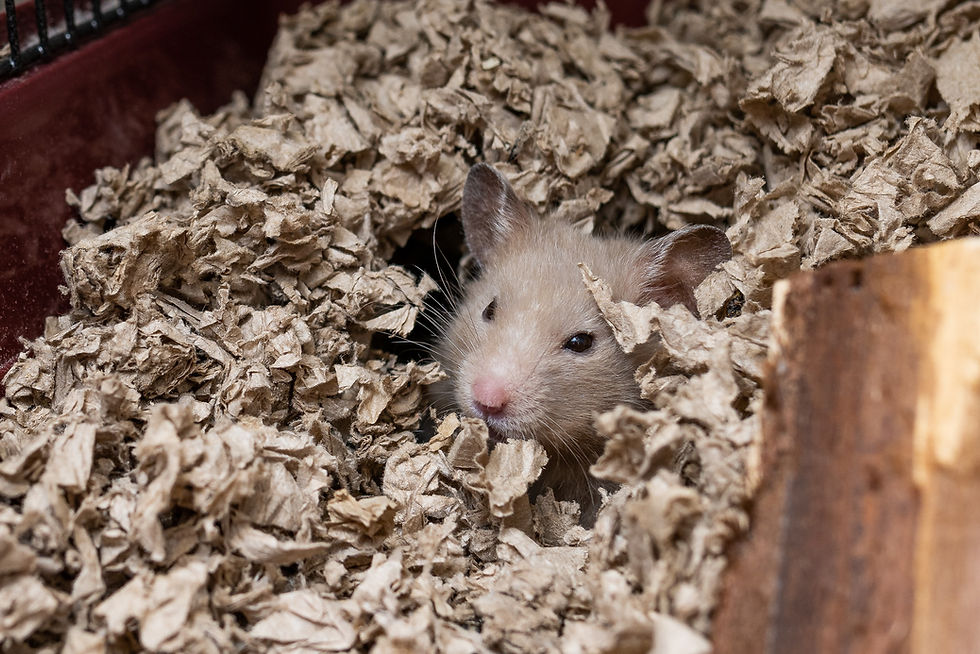
Deep bedding is particularly important because hamsters are natural burrowers. In the wild, they create complex underground tunnel systems that provide security, food storage, and nesting areas.
Allowing your hamster to express these natural behaviours contributes significantly to their wellbeing.
The Different Domesticated Hamster Species
Not all hamsters are the same. Different species have their own personalities, sizes, and care considerations.
Syrian Hamsters
Syrian hamsters are the most common pet hamster species.
They are known for being:
The largest domesticated hamster species
Curious and intelligent
Relatively easy to tame
Popular among first-time owners
Their larger size often makes handling easier, although each hamster has its own individual personality.
Roborovski Hamsters
Roborovski hamsters are famous for their incredible speed.
They are:
The smallest domesticated hamster species
Extremely fast and energetic
Often shy around humans
Better suited for observation than frequent handling
Many owners enjoy watching their natural behaviours rather than interacting with them directly.
Russian Dwarf Hamsters
Russian dwarf hamsters are active and inquisitive pets.
Characteristics include:
Small size
High energy levels
Quick movements
Curious personalities
Despite their tiny stature, they require just as much space and enrichment as larger hamster species.
Chinese Hamsters
Chinese hamsters are slightly different from other domesticated species.
They are typically:
Timid and reserved
Territorial
Quieter than some other species
More mouse-like in appearance
Their longer bodies and tails give them a unique look compared to traditional dwarf hamsters.
Winter White Hamsters
Winter white hamsters are often considered one of the gentler dwarf species.
They are generally:
Calm
Gentle
Small and active
Adaptable to handling when socialised appropriately
In some cases, their coats may lighten during winter months, although this is less common in domesticated populations.
Fascinating Facts About Hamster Anatomy
Hamsters possess some incredible physical adaptations that make them perfectly suited to their lifestyles.
Their Cheek Pouches Are Amazing
Hamsters have large cheek pouches that extend all the way back towards their shoulders.
These pouches allow them to transport:
Food
Nesting materials
Bedding
Seeds and treats
Because hamsters naturally hoard resources, storing items in their cheeks is a completely normal behaviour.
Hamster Teeth Are Naturally Yellow
Many new owners worry when they notice their hamster's teeth are yellow or orange.
However, this is actually a sign of healthy teeth.
The coloured enamel helps strengthen their continuously growing incisors, making them more durable for chewing and gnawing.
White teeth are not necessarily healthier than yellow ones—in fact, yellow-orange teeth are perfectly normal.
Hamsters Have Poor Vision
Hamsters are extremely near-sighted animals.
Rather than relying on eyesight, they primarily use:
Their sense of smell
Their hearing
Their whiskers
Memory and familiarity with their surroundings
This poor vision is one reason why hamsters should not be placed in high environments where they could fall and injure themselves.
They Have Scent Glands on Their Bodies
Hamsters possess scent glands that help them mark their territory.
These glands are typically found on their hips or sides, depending on the species.
They use these scent markings to:
Identify familiar places
Mark pathways
Communicate with other hamsters
Feel secure within their environment
Owners may occasionally notice hamsters rubbing their bodies against objects as part of this natural behaviour.
Surprising Facts About Hamster Lifestyles
Hamsters Are Omnivores
Although many people think hamsters only eat seeds, they are actually omnivores.
In the wild, their diets include:
Seeds
Grains
Plants
Vegetation
Insects
Small invertebrates
A balanced pet diet should reflect these natural nutritional needs.
Wild Hamsters Can Travel Up to Five Miles in One Night
One of the most astonishing hamster facts is the distance they can cover naturally.
Wild hamsters may travel up to five miles in a single night while searching for food and resources.
This is why exercise wheels are so important.
A properly sized wheel allows pet hamsters to satisfy their instinctive need for movement in a safe environment.
Hamsters Can Reproduce Extremely Young
Hamsters reach sexual maturity much earlier than many people realise.
Some individuals can begin reproducing at just four weeks old, which is one reason accidental litters can occur if young hamsters are housed together.
Responsible breeding requires extensive knowledge, careful planning, and ethical considerations.
Mother Hamsters May Eat Their Babies if Stressed
Although this sounds shocking, it is a natural survival behaviour.
If a mother hamster feels:
Threatened
Stressed
Disturbed
Unable to care for her litter
She may consume some or all of her offspring.
For this reason, new mothers should be given complete privacy, minimal disturbance, and a calm environment during the early weeks after giving birth.
Understanding Your Hamster's Natural Behaviours
The best hamster care starts with understanding who they are as animals.
They are:
Solitary creatures
Burrowing specialists
Long-distance runners
Omnivorous foragers
Crepuscular explorers
Expert hoarders
Many common pet care mistakes happen when owners expect hamsters to behave more like social, daytime animals.
By respecting their natural instincts, we can create environments that allow them to thrive.
Key Takeaways
Hamsters may be small, but they are incredibly complex animals with unique behaviours and welfare needs. They live relatively short lives, prefer to live alone, need large enclosures with deep bedding, and rely heavily on scent and touch rather than vision.
Understanding these fascinating facts helps owners provide more ethical, enriching, and species-appropriate care—allowing their tiny companions to live healthier and happier lives.
Visit our Amazon Store for a wide selection of products and great value essentials for your pets!

Related Content
Disclaimer
All content provided on this website, including blog posts, guides, social media content, and recommendations, is created for informational and educational purposes only and should not be considered veterinary, medical, or professional pet care advice. Always consult a qualified veterinarian or animal care professional before making decisions regarding your pet’s health, diet, or wellbeing. See Full T&C's here.

Comments