
9 Common Hamster Owner Mistakes And How to Fix Them

Updated: Aug 10
Hamsters are often sold as “easy beginner pets,” but in reality, they have very specific welfare needs. Many well-meaning owners unknowingly make mistakes that can affect their hamster’s physical health, stress levels, and overall quality of life.
The good news is that once you understand what hamsters actually need, most of these issues are simple to fix.
Here are 9 of the most common hamster owner mistakes—and what to do instead.

1. Keeping an Enclosure That’s Too Small
One of the biggest welfare issues in hamster care is insufficient space.
Hamsters need a minimum enclosure size of 100 cm x 50 cm to thrive. Many pet shop cages fall far below this standard.
Small cages can lead to:
Stress
Boredom
Repetitive behaviours (bar chewing, pacing)
Reduced natural behaviours like burrowing and foraging
What to do instead:
Choose a large tank-style enclosure, bin cage, or purpose-built hamster habitat that allows full movement and enrichment.
2. Overfeeding
Hamsters are small animals with small dietary needs, and overfeeding is a common mistake.
A general guideline is:
1–2 tablespoons of hamster mix per day/feed
Vegetables: 2–3 times per week
Fruit: 1–2 times per week (in small amounts)
Overfeeding can contribute to:
Obesity
Diabetes (especially in dwarf species)
Food hoarding without proper nutrition balance
What to do instead:
Focus on a balanced, varied diet and adjust portions based on your hamster’s species, age, and activity level.
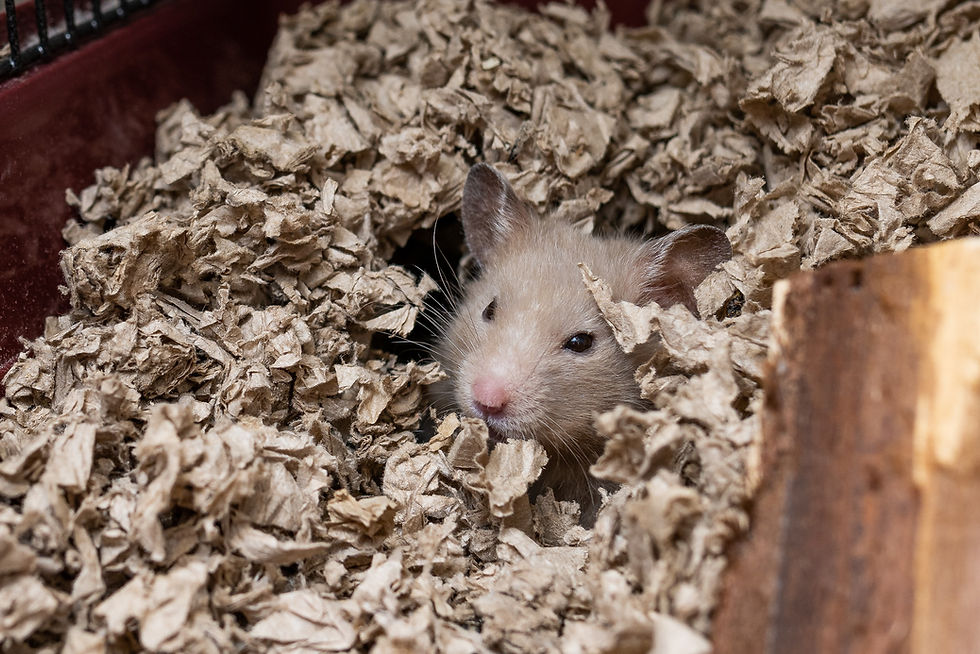
3. Inadequate Bedding Depth
Hamsters are natural burrowers, and this behaviour is essential for their wellbeing.
They require at least 8–10 inches (20–25 cm) of bedding to create stable tunnel systems.
Shallow bedding prevents natural behaviour and can cause:
Stress
Lack of enrichment
Reduced confidence and security
What to do instead:
Provide deep, soft, and stable bedding that holds burrows, such as paper-based or other hamster-safe substrates.
4. Waking Them Up During the Day
Hamsters are crepuscular, meaning they are most active in the evening and early morning.
Waking a sleeping hamster can:
Interrupt their sleep cycle
Cause stress
Lead to defensive or fearful behaviour
What to do instead:
Interact with your hamster during their natural active hours and allow them to wake up on their own terms.
5. Pairing Hamsters Together
Unlike some small pets, hamsters are solitary animals.
Housing them together often leads to:
Fighting
Stress
Injury
In some cases, fatal outcomes
Even hamsters that appear to “get along” can become aggressive later in life.
What to do instead:
Always house hamsters individually with their own enclosure and enrichment.
6. Overhandling
While some hamsters enjoy interaction, they are prey animals and can easily become overwhelmed.
Too much handling can result in:
Stress
Fear responses
Loss of trust
Defensive biting or hiding
What to do instead:
Let your hamster set the pace. Build trust gradually with short, calm interactions and positive associations.
7. Lack of Enrichment
A bare enclosure is not enough for a hamster’s mental stimulation.
Proper enrichment includes:
Foraging opportunities
Herb and seed sprays
Chews and safe gnawing items
Tunnels and hides
Digging areas
Without enrichment, hamsters can develop:
Boredom
Stereotypical behaviours
Reduced overall wellbeing
What to do instead:
Rotate enrichment items regularly and encourage natural behaviours like foraging and burrowing.
8. Over-Cleaning the Enclosure
While hygiene is important, full deep cleans too often can actually harm a hamster’s wellbeing.
Hamsters rely heavily on scent to feel safe in their environment. Removing all their scent at once can:
Cause stress
Lead to confusion
Trigger anxious behaviour
What to do instead:
Perform regular spot cleaning and only do partial or full clean-outs when necessary, while always keeping some familiar scent material.
9. Using the Wrong Type of Wheel
Exercise wheels are essential, but they must be safe and appropriately sized.
Common issues include:
Wheels that are too small (causing spinal curvature)
Barred or mesh wheels (risk of foot injury)
Narrow wheels that restrict movement
A safe wheel should:
Allow the hamster to run with a flat, straight back
Have a solid running surface
Be appropriately sized for the species
What to do instead:
Choose a solid, well-sized wheel that supports natural running posture and protects feet.
Final Thoughts
Most hamster care mistakes come from outdated pet shop advice or misinformation online. Once corrected, these small changes can dramatically improve a hamster’s health, behaviour, and overall happiness.
A well-cared-for hamster is active, curious, and able to express natural behaviours like burrowing, foraging, and exploring.
Understanding their needs isn’t about perfection—it’s about giving them a life that actually suits who they are as animals.
Key Takeaways
Hamsters need large, enriched enclosures—not small cages
Diet should be carefully portioned to avoid health issues
Deep bedding is essential for natural behaviour
Sleep, solitude, and enrichment should always be respected
Proper equipment (especially wheels) is critical for safety
Making even a few of these changes can significantly improve your hamster’s wellbeing.
Visit our Amazon Store for a wide selection of products and great value essentials for your pets!

Related Content
Disclaimer
All content provided on this website, including blog posts, guides, social media content, and recommendations, is created for informational and educational purposes only and should not be considered veterinary, medical, or professional pet care advice. Always consult a qualified veterinarian or animal care professional before making decisions regarding your pet’s health, diet, or wellbeing. See Full T&C's here.


Comments