
10 Common Mistakes New Hamster Owners Make

Updated: Aug 10
Hamsters are often seen as easy, low-maintenance pets, but they have complex needs that are frequently misunderstood. Unfortunately, outdated advice, misleading product marketing and misinformation mean that many owners make mistakes without realising it.
The good news is that most of these mistakes are easy to correct. By understanding what hamsters truly need, you can provide a safe, enriching environment that supports both their physical and mental wellbeing.
Contents
Choosing an Enclosure That's Too Small
Using Unsafe Bedding
Not Providing Deep Enough Bedding
Buying the Wrong Wheel Size
Housing Hamsters Together
Over-Cleaning the Enclosure
Waking Your Hamster During the Day
Feeding an Unbalanced Diet
Not Providing Enough Enrichment
Handling Too Soon
Frequently Asked Questions
1. Choosing an Enclosure That's Too Small
One of the most common mistakes is buying a cage that's far too small.
Many cages sold in pet shops do not provide enough continuous floor space for a hamster to explore, forage and exercise properly.
A suitable enclosure should provide at least 100 × 50 cm of unbroken floor space, with larger enclosures offering even greater welfare benefits.
A spacious enclosure allows room for deep bedding, enrichment and natural behaviours.
2. Using Unsafe Bedding
Not all bedding sold for hamsters is safe.
Avoid:
Scented bedding
Cedar shavings
Non-kiln-dried pine shavings
Cotton wool or "fluffy" nesting materials
These products can increase the risk of respiratory problems or injury.
Safe options include paper-based bedding or kiln-dried aspen.
3. Not Providing Deep Enough Bedding
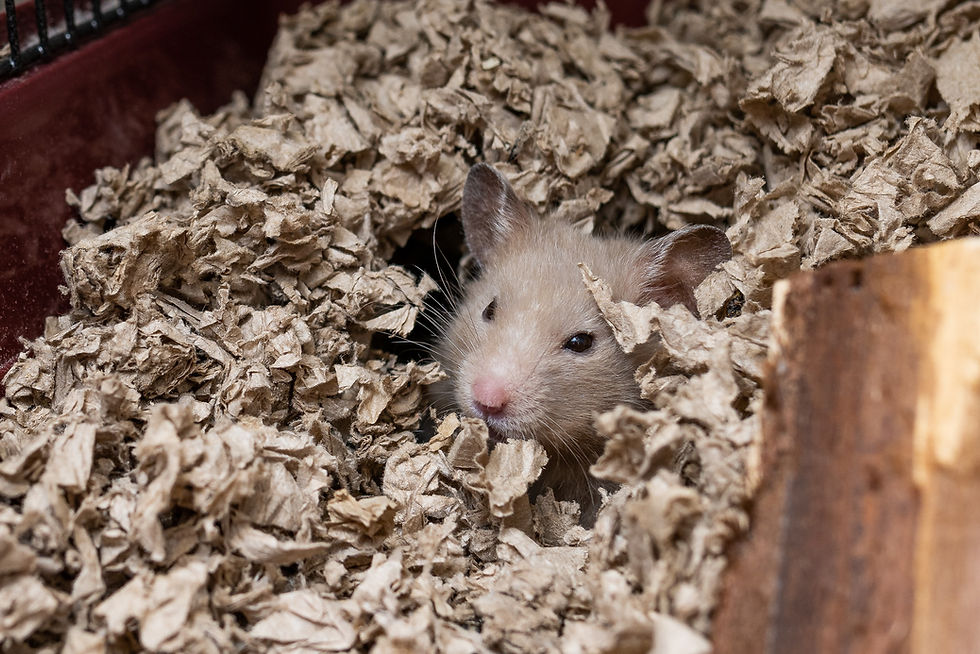
Hamsters are natural burrowers.
In the wild, they create complex underground tunnel systems, and pet hamsters need the opportunity to do the same.
Provide at least 25–30 cm (10–12 inches) of compressed bedding across most of the enclosure so tunnels can hold their shape.
Without enough bedding, hamsters may become bored or unable to express this essential natural behaviour.
4. Buying the Wrong Wheel Size
An undersized wheel forces a hamster to run with a curved back, which can lead to discomfort over time.
As a general guide:
Syrian hamsters: 28–30 cm (11–12 inches)
Dwarf hamsters: 20–25 cm (8–10 inches)
Choose a solid-surface wheel with no gaps or wire rungs.
5. Housing Hamsters Together
Despite some outdated advice, pet hamsters should be housed alone.
Even dwarf species can become territorial, and conflicts may develop suddenly, sometimes resulting in serious injuries or death.
Each hamster should have its own enclosure with its own resources.
6. Over-Cleaning the Enclosure
It may seem like frequent deep cleaning is best, but removing all of your hamster's bedding can be very stressful.
Instead:
Spot clean soiled areas regularly.
Clean the sand bath as needed.
Preserve clean bedding and tunnels whenever possible.
Carry out partial cleans only when necessary.
This helps maintain familiar scents and reduces stress.
7. Waking Your Hamster During the Day
Hamsters are crepuscular, meaning they are most active around dawn and dusk.
Waking them during the day can:
Cause stress
Lead to defensive biting
Disrupt natural sleep patterns
Allow your hamster to wake naturally before interacting with them.
8. Feeding an Unbalanced Diet
Many owners rely solely on commercial pellets or give too many treats.
A healthy hamster diet should include:
A high-quality seed mix
Small amounts of fresh vegetables several times a week
Occasional protein sources (where appropriate)
Natural forage and seed sprays
Treats should be offered sparingly, especially sugary foods.
9. Not Providing Enough Enrichment
Hamsters are intelligent animals that need opportunities to explore and forage.
Good enrichment includes:
Cork logs
Grapevine wood
Dig boxes
Tunnels
Sand baths
Seed sprays
Safe chew toys
Rotating enrichment items occasionally helps keep the environment interesting.
10. Handling Too Soon
Many new owners are eager to hold their hamster immediately, but this can damage trust.
Instead:
Give your hamster several days to settle in.
Allow them to become familiar with your voice and scent.
Offer treats from your hand.
Let them climb onto you voluntarily.
Patience helps build a much stronger bond.
Frequently Asked Questions
What's the biggest mistake new hamster owners make?
Providing an enclosure that's too small is one of the most common welfare issues, as it limits natural behaviours and enrichment.
Do hamsters really need deep bedding?
Yes. Deep bedding allows hamsters to burrow, which is an essential natural behaviour that supports their wellbeing.
Can dwarf hamsters live together?
No. Although this advice was common in the past, it is now widely recommended that pet hamsters are housed individually to avoid aggression and injury.
How often should I clean my hamster's enclosure?
Spot cleaning is usually sufficient. Avoid frequent full cleans unless absolutely necessary.
How long should I wait before handling my hamster?
Most hamsters benefit from several days to settle into their new home before handling begins. Building trust gradually usually leads to better long-term confidence.
Final Thoughts
Many common hamster care mistakes happen because owners are following outdated or misleading advice rather than intentionally providing poor care. By learning about your hamster's natural behaviours and needs, you can make simple changes that have a huge impact on their quality of life.
Providing enough space, deep bedding, appropriate nutrition and plenty of enrichment helps your hamster feel safe, active and able to express the behaviours that come naturally to them.
At Bellamy Pet Wellness, we're passionate about promoting modern, evidence-based hamster care. Our goal is to help owners move beyond outdated myths and give every hamster the opportunity to live a healthy, enriched and fulfilling life.
Visit our Amazon Storefront for a wide selection of hamster products and great value essentials for your pets!
Related Content
Disclaimer
All content provided on this website, including blog posts, guides, social media content, and recommendations, is created for informational and educational purposes only and should not be considered veterinary, medical, or professional pet care advice. Always consult a qualified veterinarian or animal care professional before making decisions regarding your pet’s health, diet, or wellbeing. See Full T&C's here.


Comments